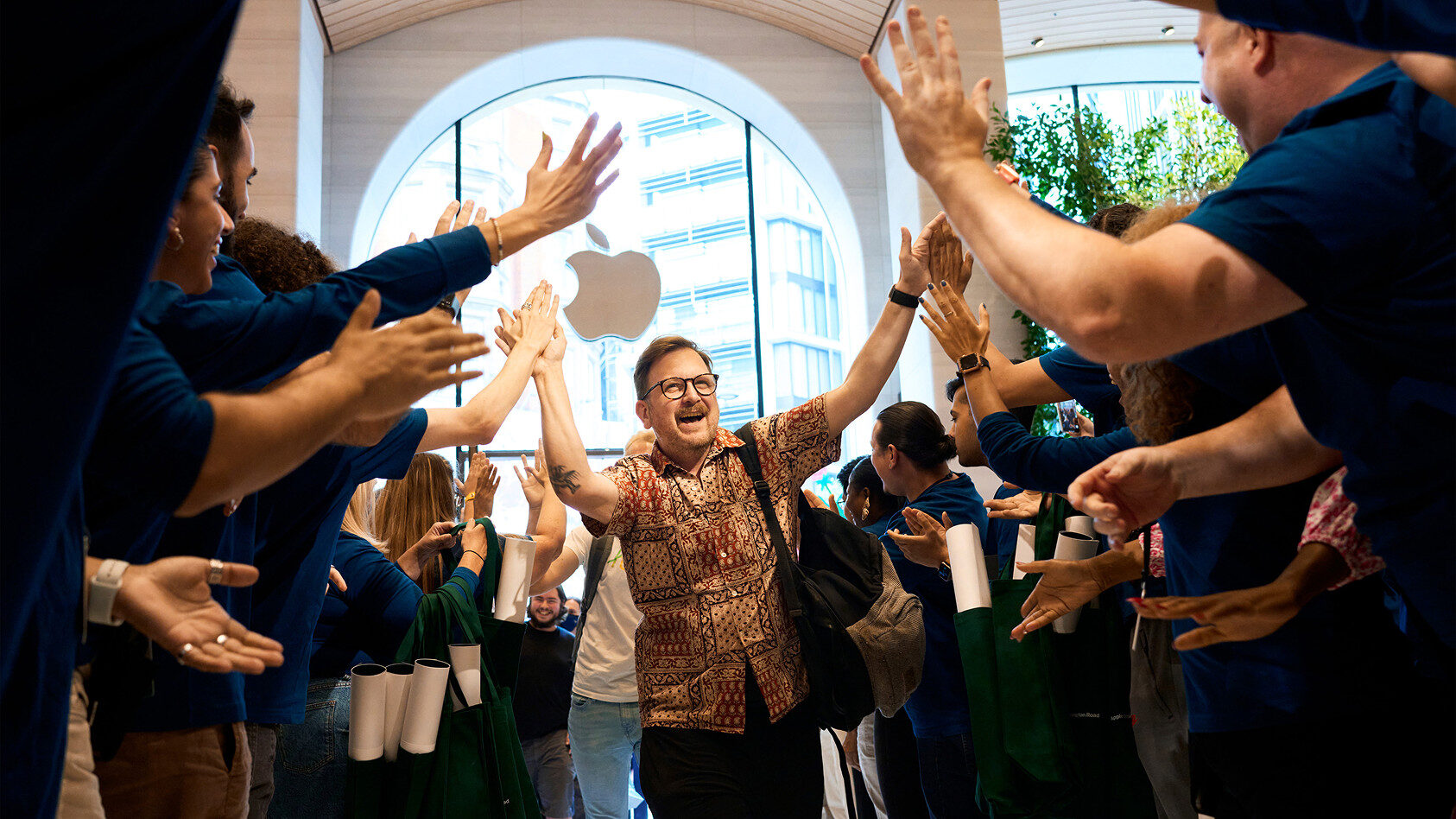
Why do we connect with some brands more than others? Every day we encounter hundreds – often without even realising it. They’re woven into our rituals, routines and choices. Love, joy, trust, irritation, envy, pride: brands trigger a spectrum of emotional responses. And the most successful don’t simply attract customers; they cultivate fans. Sometimes disciples. They become part of us and how we navigate the world.
But what makes one brand magnetic and another forgettable? Why do some feel meaningful while others feel manufactured? And why do brands exist at all?
Where It All Began
To answer that, we need to go back to the late 19th century. Mass production was rising, industrialisation was reshaping society, and choice – real choice – was exploding for the first time. In that world of growing abundance, companies needed a way to differentiate their products. So they stopped competing on functionality alone and started competing on feeling; a bar of soap became a symbol of clean living; a tin of biscuits became a promise of quality. A branded product became a better, more modern way of life.
We humanise to understand the world around us.
Nick Liddell, You Are Fish.
Branding was born as humanisation – a way to transform an object into something people could relate to. As Nick Liddell writes in his excellent book You Are Fish, “we humanise to understand the world around us”. It’s an instinctive act. It’s why we find faces in fruit, assign character to appliances and name everything from storms (Katrina) to landmarks (Big Ben) , technology (Claude) to footballs (“Wiiiilllssoooonnnn”). Give something even a hint of human likeness, and we start caring for it like we would a person.
And caring is the key here. When people care, they buy more, stay longer, engage deeper. Caring is the foundation of trust, loyalty, advocacy and – most importantly – memory.

The First Mover
Emotion is the starting point of every decision. It’s not a soft concept; it’s a biological fact.
As a species, we evolved to react quickly to danger and opportunity, often found in the same environment. This left us with highly reactive emotional circuitry: we notice threats faster than rewards, anger faster than joy, disruption faster than harmony.
Phillip Adcock’s behavioural research puts some science on the bones:
● Emotions fire 3,000x faster than rational thought
● Emotional responses outweigh rational ones 24 to 1
● Sensory information hits the emotional brain 5x faster than the logical brain
Emotion creates attention → Attention drives memory → Memory drives → preference → Preference drives behaviour.
Brands that ignore this biological reality fall flat. Those that embrace it, break through.
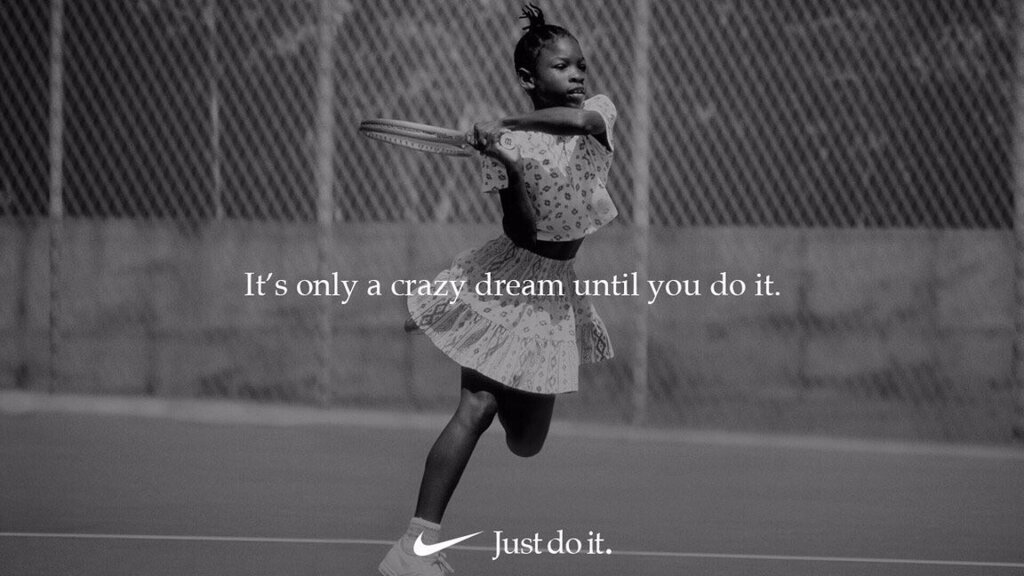
👟 Nike doesn’t sell trainers; it sells aspiration.
🐭 Disney doesn’t sell films; it sells wonder.
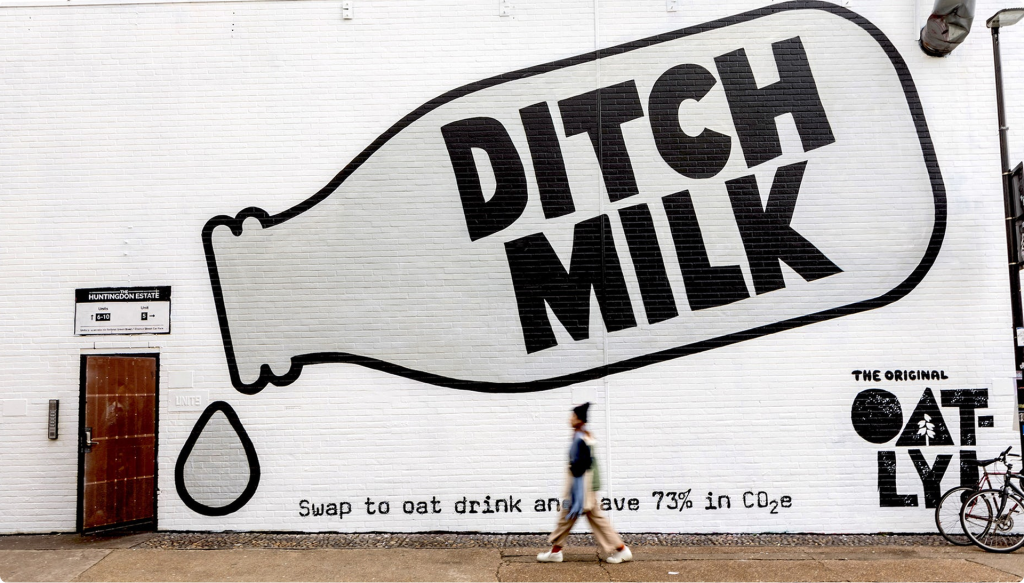
🥛 Oatly doesn’t sell oat milk; it sells rebellion – powered by a deep, social cause
They connect because they tap into something that feels true.
Human Emotion Doesn’t Split by Context
Emotion isn’t limited to consumer brands. It’s not a B2C phenomenon. It’s a human one.
As Russell Holmes and Vicky Young argue in B2B Is Dead, the boundary between work and home is gone. We are the same people with the same motivations, fears, and emotional triggers – whether we’re buying toothpaste or enterprise software.
“Business people do not park their emotions and personality in a cardboard box when they come to work.”
Forget B2B. It’s B2P – Business-to-People branding – that creates a more resonant, connected brand.
Business people do not park their emotions and personality in a cardboard box when they come to work.
Russell Holmes & Vicky Young, B2B Is Dead
Research by Google and the CEB Marketing Leadership Council backs this up: B2B buyers express even stronger emotional connection to service providers than consumers do. We feel more intensely because the stakes are higher, the relationships longer, and the outcomes more personal than we pretend.
Emotion Makes Memories Stick
Emotion doesn’t just influence behaviour – it fingerprints memory.
The brain’s geography reinforces this: the amygdala – the brain’s emotional core – sits directly next to the hippocampus (memory). When emotional arousal is high, our attention sharpens, our senses heighten, and we process information more deeply. It’s a survival mechanism: remember the meaningful, ignore the mundane.
This is why emotionally charged communication is so much more memorable. Brand Strategy Director at Anomoly, Claire Strickett puts it best:
Emotion is the ink memories are written in.
Claire Strickett, Brand Strategy Director at Anomoly
The Opportunity Most Brands Miss
Here’s the irony: Even with everything we know about the power of emotion, most brands still fail to evoke it. They lead with features, logic, data, or generic positioning – hoping to land a message in a part of the brain evolution has trained us to use last. This failure represents a huge opportunity.
If half of your competitors are asleep at the wheel – ignoring the effectiveness of the affective – your brand can gain an enormous advantage simply by being willing to make people feel.
In a world of parity products and AI-accelerated sameness, emotion becomes the most rational, fundamental lever for growth. Simply put:
Brands succeed by making people care, and care is created through emotion. Everything else is secondary.
Written By

Ben Steers