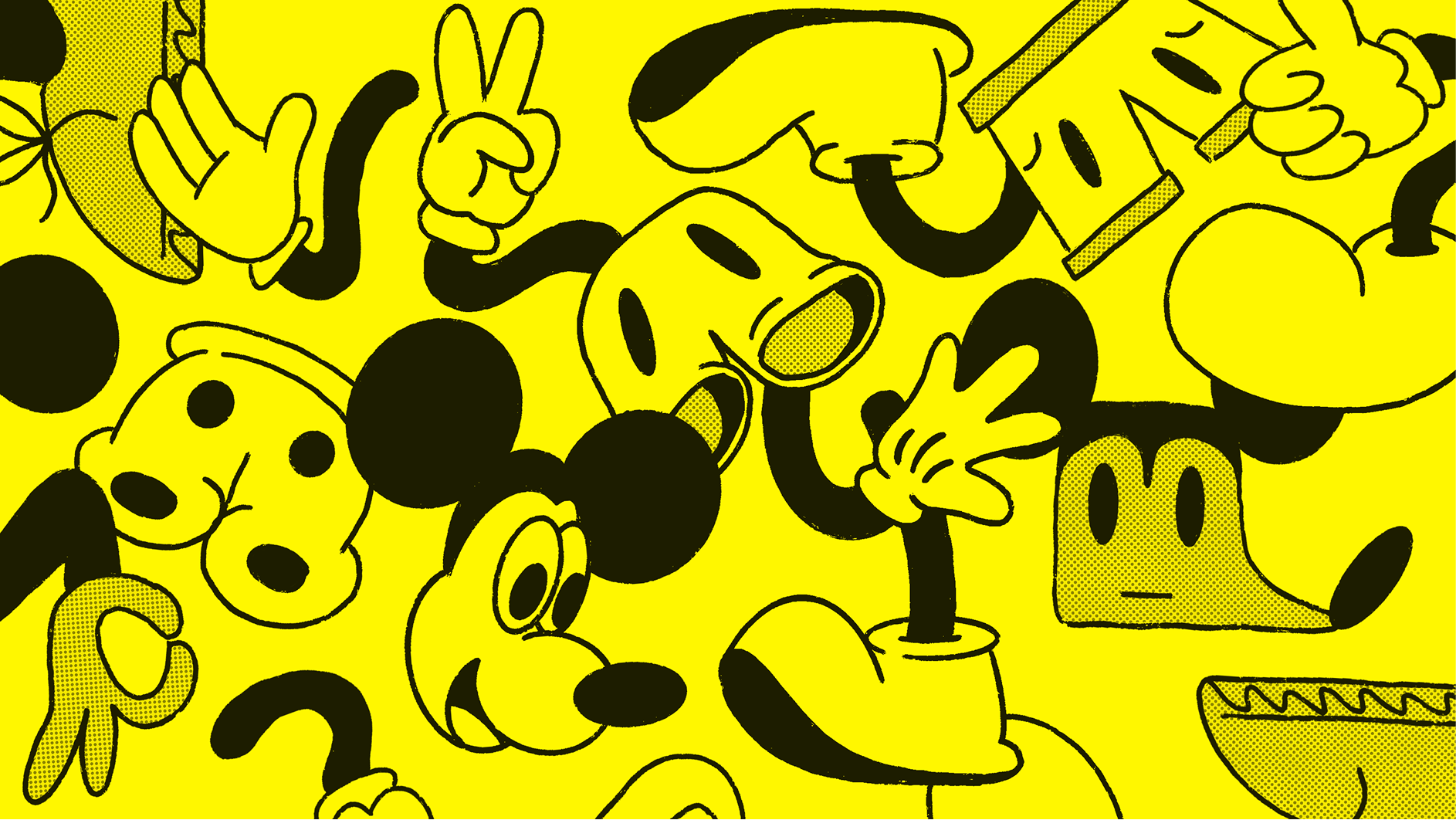
For a long time, mascots felt like something from another era of branding. Belonging on cereal boxes, fast food packaging and popping up in the corner of Microsoft Word ’98 — hello Clippy. They were memorable, characterful and often a little goofy.
But lately, they’ve been making a comeback. And this time, they’re being asked to do more than simply sell products.
OpenAI recently introduced Dots
Meta launched Muse
Asana introduced AI Teammates
And Salesforce has Astro
From brand ambassadors to interactive AI companions, tech brands are turning to mascots to give their products distinction and greater emotional resonance.
This shift tracks with what we’re experiencing at the studio. Over the past year, we’ve seen a significant increase in the number of RFP’s asking for a mascot as part of the brand world. And we’re seeing more brands introducing characters across everything from marketing campaigns to digital products.
So what’s driving this renewed interest, and why now?
Old dog, new tricks
First off, it’s worth qualifying what a mascot actually is. According to the Cambridge Dictionary, a mascot is “a person, animal, or object that is believed to bring good luck, or one that represents an organisation“.
The use of characters to represent brands is nothing new. In the West, early advertising embraced cartoon and human-like figures to forge emotional connections with consumers. Think the Jolly Green Giant (1928), Tony the Tiger (1952) or Ronald McDonald (1963).
In Japan, character-led branding has an even richer history, with illustrated animals appearing in commercial advertising as early as the late 19th century. The emergence of characters like Hello Kitty in the 1970s helped establish an entire culture around character-led products and merchandise.
The effectiveness of these characters is rooted in something fundamentally human. We’re highly attuned to faces, expressions and other social cues. We naturally anthropomorphise, attributing human characteristics to animals, weather systems, objects (volleyballs – “Willlssooonnn“) and even technology. It’s one of the ways we make sense of the world around us. Characters tap into these instincts. They give us something familiar to recognise, relate to and remember.

And when used consistently, they become mental shortcuts for the brands they represent. You don’t need a logo or a tagline to associate Tony the Tiger with sugar-frosted flakes; the character carries decades of memory and meaning.
The effectiveness of these characters is rooted in something fundamentally human. We're highly attuned to faces, expressions and other social cues.
For decades, this was the primary role of mascots: to make brands recognisable, memorable and emotionally familiar. They appeared in advertising, on packaging and across merchandise, creating distinctive personalities people could associate with a product. But while the underlying psychology hasn’t changed, the environments in which brands operate have. And with that, the role we’re asking mascots to play is changing.
From asset to experience
From insurance to utilities, healthcare to technology, brands are waking up to the potential of mascots. But this time, they’re being asked to do more than ever.
For one thing, brands now live and breathe across multiple channels, platforms and interfaces. A consistent identity is important, but so is the ability to adapt to different contexts without losing what makes a brand recognisable.
A well-designed character can do both. It gives marketing and brand teams a recognisable personality to build stories around, creating continuity across social media, advertising, digital products, events and merchandise. And unlike many static brand assets, characters can express emotion, react to situations and interact with audiences in ways that feel fresh and relevant.
There’s evidence to support their effectiveness, too.
Research from Ipsos suggests that mascot-led advertising can improve brand linkage and attention, while System1’s analysis of Super Bowl advertising found that ads featuring brand characters achieved stronger average effectiveness scores than those led by celebrities. (That said, sometimes they are effective and go viral for all the wrong reasons, as Kiwibank recently found out).
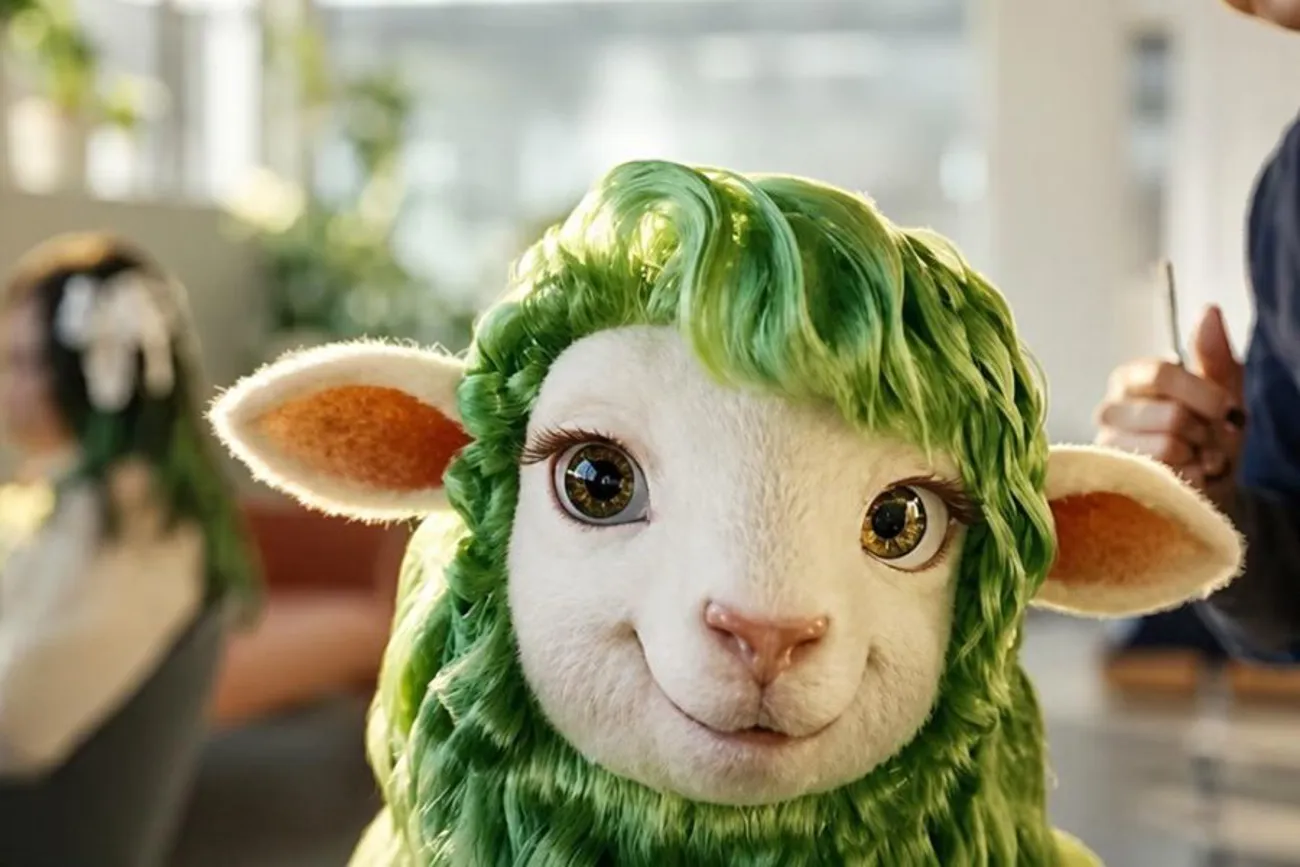
But the more interesting shift is happening beyond advertising.
Increasingly, mascots are becoming part of the product experience itself. They can guide people through onboarding, explain unfamiliar features, celebrate small achievements or bring a little warmth to an otherwise functional interaction.
Duolingo’s Duo is a good example. What began as a recognisable brand character has become a personality that extends across the app experience, notifications, social content and wider culture.
The distinction is subtle but significant. Where mascots traditionally represented a brand, they’re increasingly becoming part of how people experience it.
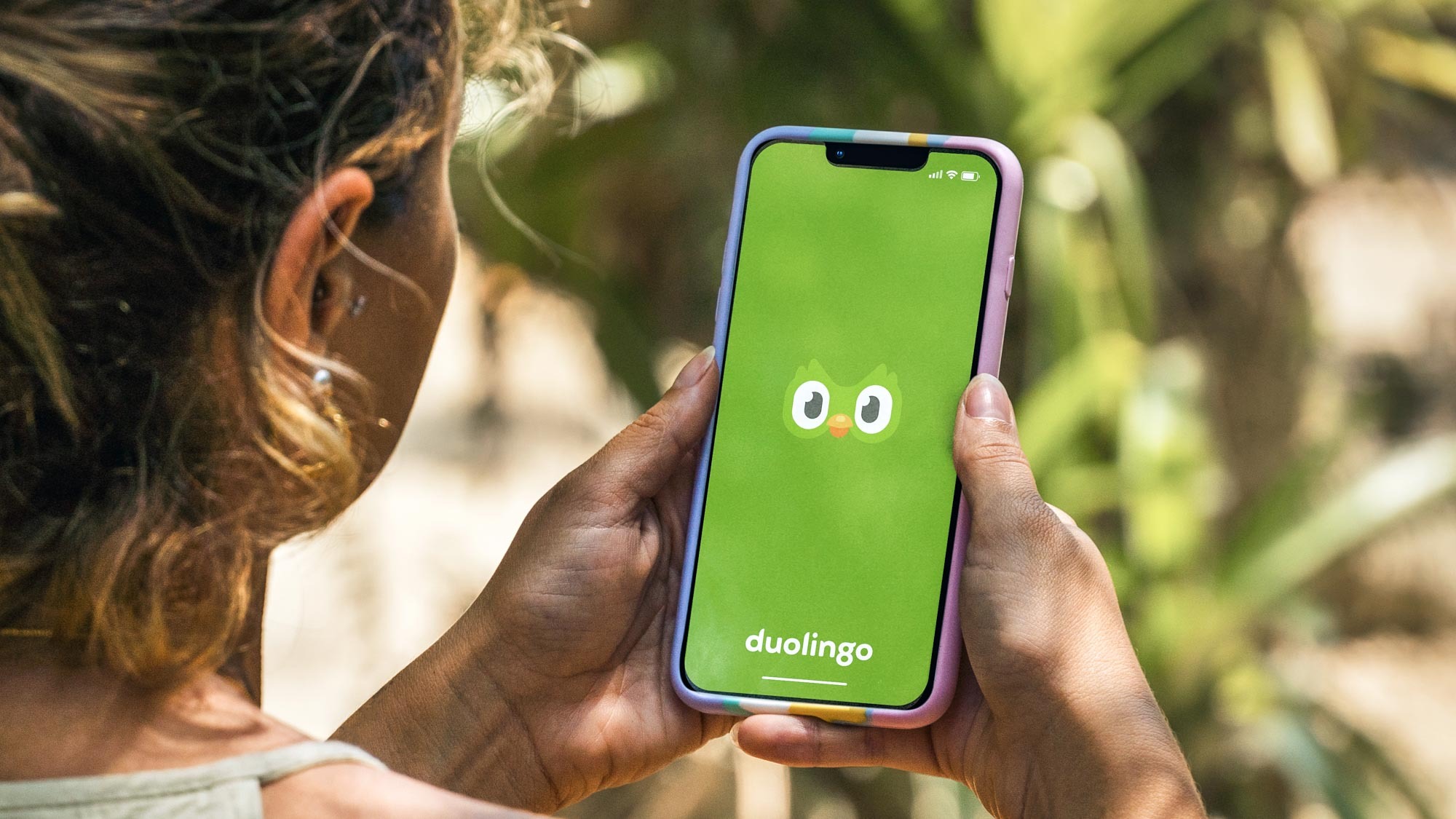
And as digital products become more complex, this creates new opportunities. Characters can make unfamiliar technology feel approachable, give personality to otherwise invisible processes and turn functional interactions into moments of emotional connection.
The mascot is no longer just something people recognise. It’s becoming something they interact with.
The cute-ification effect
We’re seeing this thinking emerge in AI, too. Meta’s new personal AI agent, Muse, is represented by a small, companion-like character, helping to visualise what the technology is doing behind the scenes.
Muse sits somewhere between brand mascot and companion. Overtly cute and cuddly, the character is designed to have significant capabilities, from live conversations and answering emails to keeping track of what you’re up to.
What’s interesting is how this blurs the line between mascot, interface and companion. Unlike a traditional brand character, an AI companion can respond to us, learn from our interactions and perform tasks on our behalf; the character becomes more than a visual representation of the technology.
And there’s something deliberate about the way these characters look and feel.
The ‘cute-ification’ of technology draws on something deeply human. Cuteness has long been used to make things feel approachable, familiar and emotionally engaging. Give something big and complicated a face, soften the edges, make it a little playful, and suddenly it feels less threatening. Which feels particularly relevant right now.
Frontier technology companies are facing something of a trust problem. Concerns around privacy, safety, copyright and the sheer pace of change have made people increasingly conscious of the implications of inviting this technology into their lives.
Give something big and complicated a face, soften the edges, make it a little playful, and suddenly it feels less threatening.
When you’re asking someone to trust an AI assistant with highly personal information, a friendly, fuzzy face is a useful place to start. Particularly when the company behind it has a less-than-spotless ethical track record — *cough*.
Making technology feel more human doesn’t necessarily make it more trustworthy. A friendly character might lower the barrier to engagement, but it can’t compensate for a product that fails to deliver on its promises.
And as characters become more deeply embedded in our digital lives, they’re no longer simply shaping how we perceive a brand. They’re influencing how we interact with its products, what we expect from them, and how much trust we’re prepared to place in them.
A new role to play
As digital experiences become more uniform and technology increasingly operates behind the scenes, brands need new ways to create distinction, familiarity and emotional connection.
Mascots offer one way to do that. They give technical products a recognisable face, complex experiences a little warmth, and brands a personality people can connect with. But the opportunity for brands goes beyond creating a memorable character. As mascots become more embedded in products and experiences, their value will increasingly be defined by how they behave, how they interact with people, and how effectively they bring a brand’s personality to life.
The next generation of mascots won’t just be a friendly face we recognise. They’ll be something we interact with, build deeper relationships with, and, perhaps, even come to rely on.

Written By

Ben Steers